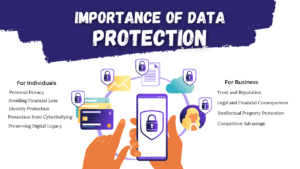
In the modern digital landscape, data serves as the essential core of every business. From customer information and financial records to proprietary business strategies, the data you store and manage is essential for your daily operations. Unfortunately, data loss is a reality that many businesses face, whether due to hardware failure, cyberattacks, or human error. At Dataromics, we understand the critical nature of safeguarding your data, and we’re here to provide you with strategies to prevent data loss and ensure quick recovery when the unexpected happens.
Understanding the Risks of Data Loss
Before diving into prevention strategies, it’s important to recognize the various threats that can lead to data loss. Awareness of these risks is the first step in protecting your business.
- Hardware Failures: Hard drives, servers, and other physical storage devices are not immune to breakdowns. Mechanical failures, power surges, and natural wear and tear can all lead to data loss.
- Cyberattacks: Hackers are increasingly targeting businesses of all sizes, with ransomware and malware attacks that can corrupt or lock away critical data.
- Human Error: Whether it’s accidentally deleting files or misconfiguring a system, human mistakes are a common cause of data loss.
- Natural Disasters: Floods, fires, and other natural disasters can physically damage your data storage systems, making recovery challenging.
Understanding these risks allows you to implement comprehensive measures that not only prevent data loss but also facilitate swift recovery when necessary.
- Implement a Robust Backup Strategy
The cornerstone of data loss prevention is a solid backup plan. Regularly backing up your data ensures that even if your primary data is compromised, you have a secure copy to fall back on.
- Automated Backups: Schedule automated backups to run at regular intervals. This reduces the risk of human error and ensures that your data is consistently backed up without relying on manual processes.
- Offsite Storage: Store backups in a secure offsite location, such as a cloud service, to protect against physical damage to your on-premises systems. Cloud storage also allows for easy access and restoration from anywhere with an internet connection.
- Versioning: Implement versioning in your backup strategy to keep multiple copies of your data. This way, if a recent backup is corrupted or compromised, you can restore an earlier, untainted version.
Regularly test your backups to ensure that they can be restored quickly and without errors. A backup’s true value lies in its ability to be successfully restored when required.
- Invest in Cybersecurity Measures
Cybersecurity is a critical component of data loss prevention. Protecting your data from cyber threats reduces the risk of losing valuable information to hackers or malicious software.
- Firewalls and Antivirus Software: Ensure your network is protected by robust firewalls and up-to-date antivirus software. These tools act as the first line of defense against cyber threats.
- Regular Security Audits: Perform routine security audits to uncover potential weaknesses in your systems. Addressing these weaknesses proactively can prevent cyberattacks before they happen.
- Employee Training: Train your staff on cybersecurity best practices, such as recognizing phishing emails, using strong passwords, and avoiding suspicious links. Human error often plays a role in successful cyberattacks, so informed employees are a key defense.
At Dataromics, we also recommend encrypting sensitive data, both at rest and in transit. Encryption guarantees that even if data is captured, it stays indecipherable to unauthorized individuals.
- Maintain and Monitor Your Hardware
Regular maintenance and monitoring of your hardware can prevent unexpected failures that lead to data loss.
- Routine Checks: Schedule routine checks and maintenance for all critical hardware components. This includes servers, hard drives, and other storage devices. Identifying and replacing failing components before they break can prevent data loss.
- Temperature Control: Keep your data storage systems in a temperature-controlled environment. Overheating is a common cause of hardware failure, particularly for servers and hard drives.
- Monitoring Tools: Use monitoring tools to track the health of your hardware in real-time. These tools can alert you to potential issues, such as disk errors or failing components, allowing you to take action before data loss occurs.
If your business relies on older hardware, consider upgrading to more reliable and efficient systems. Older devices are more prone to failure and may not support the latest security protocols.
- Develop a Data Recovery Plan
No matter how robust your prevention measures are, it’s crucial to have a data recovery plan in place for when things go wrong. A well-prepared recovery plan minimizes downtime and ensures that your business can quickly resume operations.
- Identify Critical Data: Determine which data is most critical to your business and prioritize it in your recovery plan. This might include customer records, financial data, or proprietary business information.
- Recovery Time Objectives (RTOs): Establish recovery time objectives for different types of data and systems. This sets a clear timeline for how quickly each piece of data needs to be restored to minimize disruption.
- Regular Drills: Conduct regular disaster recovery drills to test your plan’s effectiveness. These drills simulate a data loss event and allow your team to practice the recovery process, identifying any weaknesses in the plan.
At Dataromics, we offer professional data recovery services designed to restore your critical data swiftly and securely. Whether you’re dealing with a hardware failure, a cyberattack, or accidental deletion, our experts are here to help.
- Engage Professional Data Recovery Services
When data loss does occur, it’s essential to act quickly and engage professional data recovery services. Attempting to recover data on your own can lead to further damage and reduce the chances of successful recovery.
- Expertise and Tools: Professional data recovery services, like those offered by Dataromics, have the expertise and specialized tools needed to recover data from even the most damaged or corrupted systems. Whether it’s a physical hard drive failure or complex data corruption, we have the resources to retrieve your data.
- Minimized Downtime: Swift data recovery minimizes downtime, helping your business get back on track as quickly as possible. Our team is dedicated to providing efficient service without compromising the quality of recovery.
- Confidentiality and Security: We understand the importance of confidentiality and security when handling sensitive business data. At Dataromics, we follow strict protocols to ensure that your data is protected throughout the recovery process.
Engaging professionals not only increases the likelihood of successful data recovery but also provides peace of mind during a stressful time.
Preventing data loss and ensuring quick recovery is not just about having the right tools; it’s about having a comprehensive strategy that covers all aspects of your business’s data management. At Dataromics in Melbourne, we’re committed to helping you safeguard your data and recover it swiftly if the unexpected happens. By implementing a robust backup strategy, investing in cybersecurity, maintaining your hardware, and developing a detailed recovery plan, you can protect your business from the potentially devastating effects of data loss. And when you need expert assistance, Dataromics is here to ensure that your data is recovered quickly and securely, so your business can continue to thrive.
If you’re looking to strengthen your data protection measures or need help recovering lost data, contact Dataromics today. We’re here to help you protect what matters most.