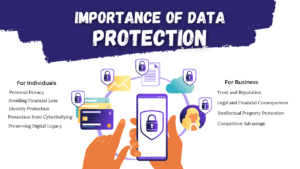
In an era where data is the backbone of business operations, ensuring its safety and recoverability is paramount. As businesses increasingly shift towards digital operations, the risk of data loss due to cyberattacks, hardware failures, and human error has grown. Traditional data recovery methods, while effective, are being supplemented and even surpassed by modern cloud-based solutions. At Dataromics, we recognize the transformative role the cloud plays in data recovery strategies, and we’re here to guide businesses in Melbourne through the evolving landscape of data protection.
Why Cloud-Based Data Recovery?
The cloud has revolutionized the way businesses handle data, offering unprecedented scalability, flexibility, and security. But beyond storage and computing power, the cloud has emerged as a crucial component in data recovery strategies. Here’s why:
- Scalability and Flexibility: Unlike traditional on-premises solutions, cloud-based data recovery can easily scale to meet the growing needs of a business. Whether you need to back up a small amount of data or vast amounts of information, the cloud can accommodate it. This flexibility is particularly valuable for businesses with fluctuating data storage needs, as it allows them to pay only for what they use.
- Cost Efficiency: Cloud-based solutions eliminate the need for expensive hardware and maintenance, reducing upfront costs and ongoing expenses. Businesses can avoid the hefty investment in physical infrastructure while benefiting from the cloud’s robust data recovery capabilities.
- Speed and Accessibility: One of the most significant advantages of cloud-based data recovery is the speed with which data can be restored. Since data is stored offsite, it can be accessed and restored from anywhere with an internet connection, minimizing downtime and disruption.
Key Components of Cloud-Based Data Recovery
A successful cloud-based data recovery strategy involves several key components, each contributing to a robust and resilient system.
- Automated Backups
Manual backups are not only time-consuming but also prone to errors. Cloud-based data recovery strategies typically include automated backups, ensuring that data is consistently and accurately backed up without human intervention.
- Scheduled Backups: Set your system to automatically back up data at regular intervals, whether hourly, daily, or weekly. This consistency ensures that you always have a recent copy of your data available for recovery.
- Real-Time Syncing: Some cloud solutions offer real-time syncing, where data changes are immediately reflected in the backup. This feature is particularly useful for businesses with constantly evolving data, as it ensures that the most current information is always available for recovery.
- Disaster Recovery as a Service (DRaaS)
Disaster Recovery as a Service (DRaaS) is a cloud-based offering that enables businesses to quickly recover from significant disruptions, such as natural disasters, cyberattacks, or hardware failures. DRaaS provides a comprehensive solution that goes beyond simple data backup.
- Rapid Recovery: In the event of a disaster, DRaaS allows businesses to restore their IT infrastructure and operations quickly. This rapid recovery minimizes downtime and helps maintain business continuity.
- Failover Systems: DRaaS includes failover systems that automatically switch to backup servers in the cloud if the primary system fails. This seamless transition ensures that your business can continue operating without significant interruptions.
- Customizable Plans: DRaaS providers offer customizable recovery plans tailored to your business’s specific needs. Whether you need to recover individual files, entire servers, or full-scale IT infrastructure, DRaaS can be adapted to meet your requirements.
- Data Encryption and Security
While the cloud offers numerous benefits for data recovery, it also raises concerns about data security. Ensuring that your data remains secure during the backup and recovery process is crucial.
- End-to-End Encryption: Cloud-based data recovery solutions should include end-to-end encryption, which protects your data both at rest and in transit. This means that even if data is intercepted, it remains inaccessible to unauthorized users.
- Compliance with Regulations: Depending on your industry, there may be specific regulations regarding data storage and recovery. Cloud providers often comply with industry standards and regulations, ensuring that your data recovery strategy meets legal requirements.
- Access Controls: Implement strong access controls to restrict who can view and recover your data. By limiting access to authorized personnel only, you reduce the risk of data breaches during the recovery process.
The Advantages of Cloud-Based Data Recovery for Businesses
For businesses in Melbourne and beyond, cloud-based data recovery offers several distinct advantages over traditional methods:
- Reduced Downtime: The cloud enables faster data restoration, reducing downtime and allowing your business to resume operations more quickly after an incident. This is especially important in today’s fast-paced business environment, where even short disruptions can have significant financial impacts.
- Enhanced Collaboration: Cloud-based recovery solutions often include collaborative features that allow multiple team members to access and work with recovered data simultaneously. This can be particularly useful in large organizations where different departments may need to coordinate their recovery efforts.
- Global Accessibility: Since cloud data can be accessed from anywhere, businesses with multiple locations or remote employees benefit from the flexibility of cloud-based recovery. No matter where your team is located, they can access and restore the data they need to keep the business running smoothly.
Choosing the Right Cloud-Based Data Recovery Solution
Selecting the right cloud-based data recovery solution is crucial to ensuring the protection of your business’s critical data. Here are some factors to consider:
- Reliability: Choose a cloud provider with a proven track record of reliability and uptime. The last thing you want is to rely on a service that experiences frequent outages or downtime.
- Scalability: Ensure that the solution can grow with your business, accommodating increasing amounts of data and more complex recovery needs over time.
- Support and Service Level Agreements (SLAs): Look for a provider that offers robust customer support and clear SLAs that outline recovery times, data availability, and other critical factors.
As the digital landscape continues to evolve, so too must the strategies businesses use to protect their data. Cloud-based data recovery is no longer just an option; it’s becoming a necessity for businesses looking to safeguard their operations against the unexpected. At Dataromics, we specialize in helping businesses in Melbourne implement effective cloud-based data recovery strategies that ensure quick recovery and minimal disruption.
Whether you’re just beginning to explore cloud solutions or looking to enhance your existing strategy, Dataromics is here to provide expert guidance and support. Don’t leave your business’s future to chance—invest in a cloud-based data recovery strategy that will keep you protected no matter what comes your way. Contact us today to learn more about how we can help you secure your data and your business.