In the field of data recovery, the term “donor devices” is critical. When a storage device fails due to physical damage, a donor device can be the key to successfully recovering the lost data. This blog will explore what donor devices are, why they are essential in data recovery, and how Dataromics, a leading data recovery service in Melbourne, uses them to help clients retrieve their valuable data.
What Are Donor Devices?
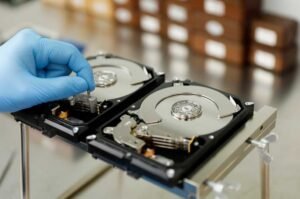
A donor device is a storage device, typically a hard drive or solid-state drive (SSD), that is used to replace damaged components in a failed device. The donor must be as similar as possible to the failed drive in terms of make, model, firmware version, and even manufacturing date. The purpose of the donor is to provide functional parts, such as read/write heads, platters, or PCBs (Printed Circuit Boards), that can be transplanted into the failed drive to make it operational again, at least temporarily, for data recovery purposes.
The Importance of Matching Donor Devices
Choosing the right donor device is crucial for successful data recovery. The donor must match the original drive as closely as possible to ensure compatibility. Even minor differences can result in failure. Here are the key factors that must align between the failed device and the donor:
- Manufacturer and Model
The donor device must be from the same manufacturer and be the same model as the failed drive. Different manufacturers use different technologies, and even within the same brand, models can vary significantly.
- Firmware Version
The firmware is the software that controls how the drive operates. A mismatch in firmware versions between the failed drive and the donor can lead to incompatibility, making recovery impossible.
- Manufacturing Date
Drives produced at different times, even if they are the same model, can have subtle differences in components or assembly. The closer the manufacturing date of the donor device is to the failed device, the higher the likelihood of a successful transplant.
- Preamp Compatibility
The preamplifier is an essential part of the read/write head assembly, and it needs to be compatible between the donor and the original drive. If the preamp is not a perfect match, the data recovery process might fail.
The Role of Donor Devices in Data Recovery
When a storage device fails due to physical damage, such as a head crash, motor failure, or damaged PCB, data recovery professionals must carefully select a donor device to use in the recovery process. Here’s how Dataromics utilizes donor devices:
- Diagnosis and Assessment
The first step is to diagnose the failed device and identify the exact cause of the failure. This involves inspecting the drive’s components and determining which parts need to be replaced.
- Donor Selection
Once the failed components are identified, Dataromics’ experts search their extensive inventory of donor devices to find a match. The selection process is meticulous, ensuring that all critical factors—such as model, firmware, and manufacturing details—align perfectly.
- Component Transplant
After selecting a suitable donor device, the damaged components in the failed drive are replaced with those from the donor. This process is delicate and requires precision, as even a tiny mistake can lead to further damage.
- Data Extraction
Once the failed drive is operational again, Dataromics’ specialists proceed with data extraction. They create a clone of the drive, which is then used for recovery. This step is crucial to avoid further wear and tear on the original device.
- Data Restoration
Finally, the recovered data is restored to a new, healthy storage device, which is then returned to the client.
Challenges and Limitations
While donor devices are incredibly valuable in data recovery, there are challenges and limitations to their use:
- Availability
Finding the exact donor match can be difficult, especially for older or rare models. This can delay the recovery process.
- Cost
Donor devices, especially rare ones, can be expensive. This can add to the overall cost of the data recovery service.
- Complexity
The process of transplanting components is complex and carries the risk of further damaging the data if not done correctly.
Despite these challenges, Dataromics’ experience and expertise ensure that they can navigate these difficulties, maximizing the chances of successful data recovery.
Why Choose Dataromics?
Dataromics is a trusted name in data recovery in Melbourne, Australia. Their extensive experience, state-of-the-art facilities, and large inventory of donor devices make them the go-to choice for individuals and businesses facing data loss. They understand the critical importance of data and are committed to providing the best possible service to recover it.
Whether you’re dealing with a failed hard drive, SSD, or another storage device, Dataromics has the expertise to help. Their careful selection of donor devices and precise recovery techniques ensure that your data has the best chance of being restored, no matter the complexity of the failure.
Donor devices play an essential role in data recovery, especially in cases of physical damage to storage devices. By carefully selecting and utilizing these devices, Dataromics can recover data that might otherwise be lost forever. If you’re facing data loss, don’t hesitate to contact Dataromics for expert assistance. Their commitment to quality and customer satisfaction makes them the ideal partner in your data recovery journey.