
What is Micro SD Card Data Recovery ?
Laptop hard drive data recovery is the process of retrieving lost, corrupted, or inaccessible data from a laptop’s hard drive. This data can include documents, photos, videos, music, emails, and other essential files. This service is crucial when vital information stored on your laptop becomes unavailable due to various issues. At Dataromics, we specialize in restoring your precious data efficiently and securely, ensuring that you regain access to important files, documents, and memories.
How We Can Help You
At Dataromics, Our expertise specializes in providing customized data recovery solutions for customers facing problems with micro SD cards. This is how we can assist you:
Comprehensive Evaluation
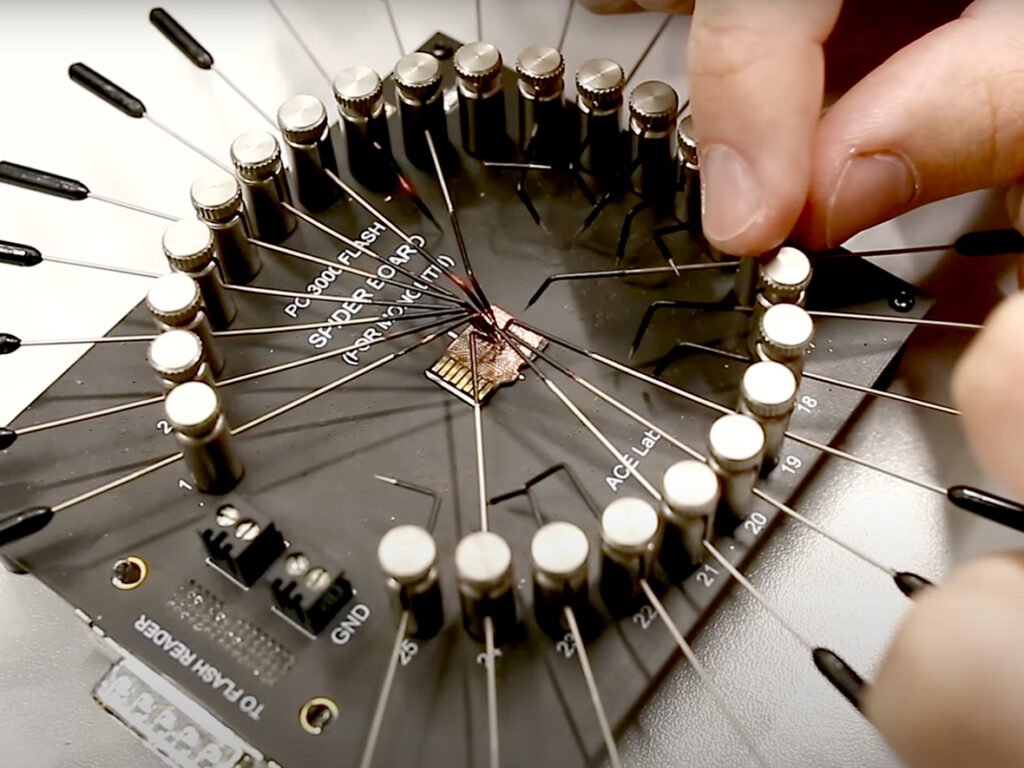
In order to identify the issue, we start by performing a comprehensive evaluation of your micro SD card. Our professionals will determine the underlying cause, whether it be a logical issue like an inadvertent deletion or a physical issue like damage.
Advanced Recovery Methods
To recover lost data, our team uses cutting-edge recovery methods and equipment. We deal with everything from formatted cards and corrupted files to physically damaged cards that need complex recovery techniques.
Expert Technicians
Our experienced technicians have extensive knowledge of micro SD cards from all major manufacturers. They have the expertise to handle a wide range of problems, and they employ cutting-edge techniques to increase the success rates of data recovery.
Secure and Confidential Service
We are aware of how sensitive your information is. Your information is secure and confidential, and all recovery procedures are carried out with the highest care.
Fast Service
We are aware that when it comes to data recovery, timing is crucial. Our effective procedures work to minimize any interruption to your personal or professional life by recovering your data as soon as feasible.
What Problems Can Make You Lose Micro SD Data?
- Accidental file deletion is one of the most common reasons for data loss. Micro SD cards lack a recycle bin, which would make it easier to recover erased files than on computer systems.
- Sometimes devices prompt users to format the micro SD card, especially if it’s corrupted or unreadable. Formatting erases all the data on the card.
- Given their small size, micro SD cards are quite delicate. They can easily be damaged if dropped, exposed to water, or subjected to extreme temperatures.
- Improper ejection of the card from a device, power surges, or software crashes can corrupt the file system, making the data inaccessible.
- Malfunctions in the micro SD card’s firmware can lead to data loss or corruption.
How to Avoid Losing Data
- Regularly back up your data to another storage medium, such as an external hard drive or a cloud service. This ensures you have a copy of your important files in case of data loss.
- Handle your micro SD cards with care. Avoid dropping them, exposing them to water, or subjecting them to extreme temperatures.
- Always use the safe eject option when removing the micro SD card from a device. This helps prevent file system corruption.
- Use high-quality card readers and ensure your devices’ firmware is up to date to avoid compatibility issues.
- Protect your devices with reliable antivirus software to prevent malware infections that can corrupt your micro SD card.
FAQ’s
Signs of a damaged micro SD card include the card not being recognized by your device, error messages prompting you to format the card, or the card being physically broken or cracked.
Yes, data can often be recovered from physically damaged micro SD cards. Our technicians at Dataromics use specialized tools to extract data from damaged cards.
If your device prompts you to format the card, do not proceed. Formatting will erase all data. Instead, remove the card and seek professional data recovery services.
The time required for data recovery can vary depending on the extent of the damage and the amount of data. It can range from a few hours to several days.
Yes, at Dataromics, we ensure that all recovered data is handled with the highest level of security and confidentiality.